


Commodity trading involves buying and selling raw materials such as gold, oil, agricultural products, and metals in spot or futures markets.




Commodity Trading
Commodity trading involves buying and selling raw materials such as metals, energy resources, agricultural products, and industrial commodities. At Universe 369, we provide valuable knowledge about commodity markets and how traders and investors can participate effectively.
Key Features:- Trading insights on metals, energy, and agricultural commodities
- Futures, spot, and derivatives market coverage
- Supply-demand and geopolitical impact analysis
- Technical and fundamental trading tools
- Inflation and currency hedge strategies
- Global commodity market trend monitoring
Commodities are broadly classified into hard commodities like gold, silver, crude oil, and natural gas, and soft commodities such as wheat, corn, coffee, sugar, and cotton. These markets are influenced by supply and demand dynamics, weather conditions, geopolitical events, global economic trends, and currency movements.
Benefits:- Protection against inflation and currency fluctuations
- Portfolio diversification beyond equities
- Profit opportunities from global demand-supply shifts
- Access to real assets with intrinsic value
- Risk hedging for businesses and investors
- Strong correlation with global economic activity
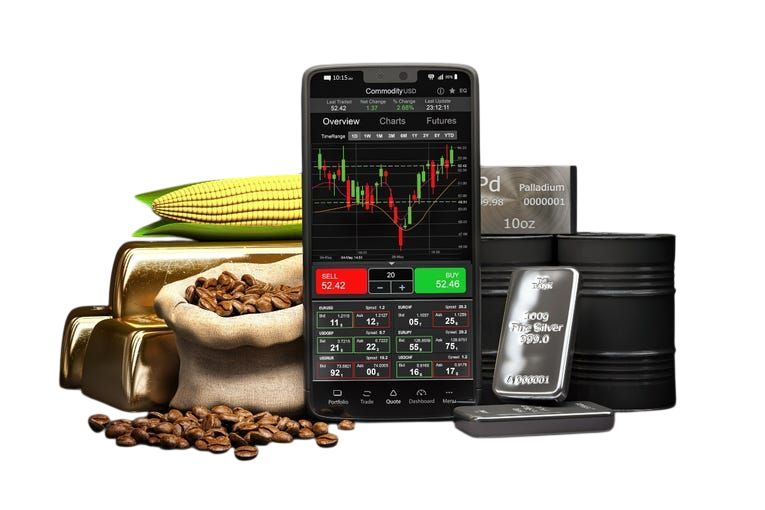
Commodity trading serves multiple purposes, including price discovery, risk hedging, and portfolio diversification. Producers and consumers use commodity markets to hedge against price fluctuations, while traders seek to profit from market volatility. Commodities often act as a hedge against inflation and currency depreciation.
At Universe 369, we focus on futures trading, spot trading, and options in commodity markets. Understanding contract specifications, margin requirements, and expiration cycles is essential for successful trading. Technical analysis and fundamental factors such as inventory data, OPEC decisions, crop reports, and global demand trends play a critical role in price movements.